
0
%
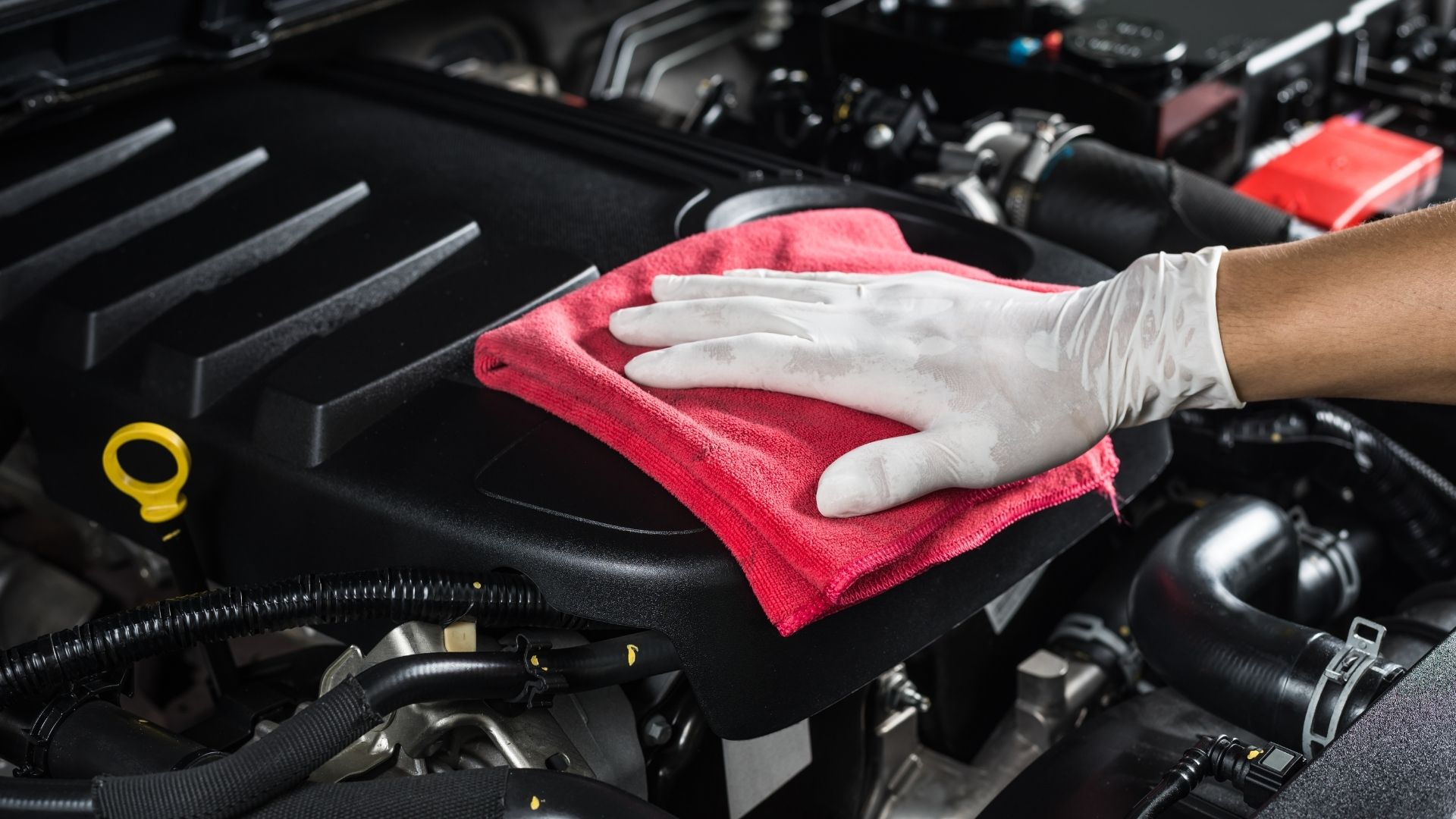
The engine bay is the most neglected area in the automotive detailing industry. Many shops avoid it altogether because they lack the knowledge to work safely around sensitive electronics. Others take a reckless approach, blasting high-pressure water into areas that were never designed to get wet. The result is either a dirty engine bay or one that suffers from electrical issues shortly after service.
This business was built on a different philosophy. Every component under the hood deserves attention, but that attention must come with technical understanding.
The team takes time to identify sensitive areas, uses low-pressure steam and gentle agitation rather than brute force, and ensures all electronic components remain protected throughout the process. A clean engine bay is not just about appearance. It also makes future maintenance easier and helps identify leaks before they become major problems.
Experience matters when working around sensitive engine components. Here is what sets the approach apart from the competition.
Engine detailing requires knowledge that goes beyond standard car cleaning. The team understands which areas can handle moisture and which must be approached with care. Every job begins with a thorough inspection to identify exposed sensors, fuse boxes, and other sensitive components.
From there, a combination of steam, gentle agitation, and proper degreasers removes built-up grime without forcing water where it does not belong. The final step includes a protective dressing that leaves hoses and plastic looking fresh without the greasy residue that attracts dust.
A clean engine bay is about more than just looking good under the hood. Built-up grease and grime trap heat, making the engine work harder than it should. Oil leaks and other issues become difficult to spot when everything is covered in layers of dirt.
Regular engine detailing makes maintenance easier, helps components last longer, and provides mechanics with a clean workspace when service is needed. It also makes a powerful statement about how the vehicle is cared for overall.
Removing grease buildup allows proper heat dissipation and helps engine components run cooler.
A clean engine bay makes fluid leaks immediately visible before they cause serious damage.
Engine detailing raises valid concerns about safety. Here are answers to the most common client questions.
Yes, when performed correctly. We follow controlled methods, protect sensitive components, and avoid excessive moisture. This ensures the engine bay is cleaned safely without causing damage to electrical systems or mechanical parts.
The duration depends on the level of buildup and engine condition. Most engine detailing services take 1 to 2 hours, allowing for proper cleaning, drying, and a final inspection for safe, effective results.
Engine detailing does not directly increase performance. However, it helps maintain components, improves visibility for inspections, and supports overall vehicle care by preventing buildup that may affect surrounding parts over time.
Engine detailing is typically recommended a few times a year, depending on driving conditions and exposure to dirt or grease. Regular cleaning helps maintain a presentable and well-maintained engine bay.