0
%
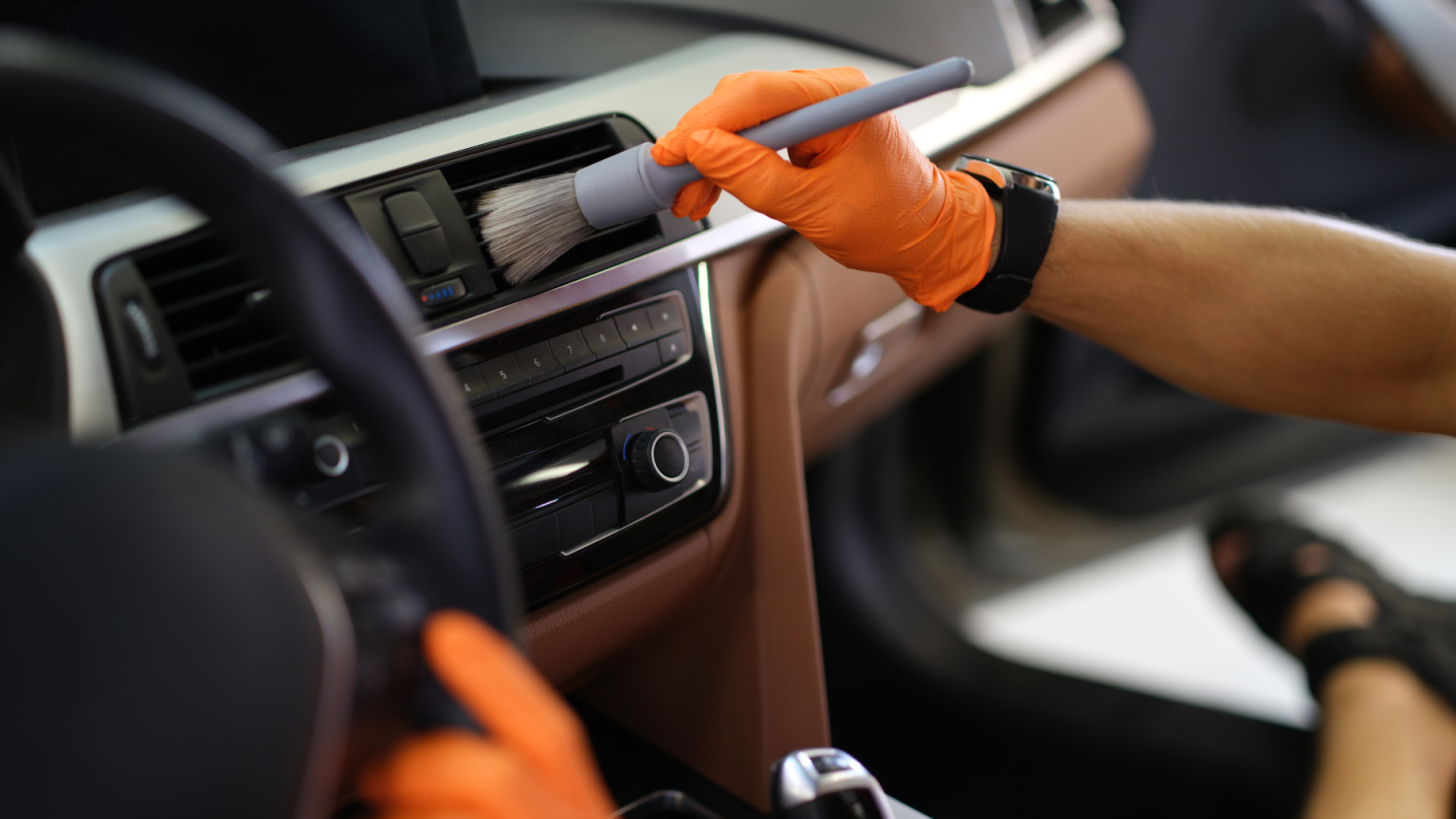
The interior detailing industry has a widespread problem. Many shops focus on what can be seen in a quick walkaround rather than what is actually embedded in the surfaces. Seats get a quick vacuum but no extraction. Dashboards get a wipe down, but dirt remains in the crevices.
Door jambs get ignored entirely. Customers drive away thinking their interior looks better, but the deep-seated grime, bacteria, and odors remain untouched.
This company was founded on a different standard altogether. The approach treats interior detailing as a restoration process, not just a cleaning service. Every surface is addressed with the appropriate method. Carpets and upholstery are steam-extracted to remove embedded dirt.
Leather gets conditioned, not just wiped. Air vents, cup holders, and tight crevices are cleaned with compressed air and soft brushes. The result is an interior that feels genuinely fresh, looks exceptionally maintained, and smells clean without heavy masking fragrances.
Surface cleaning hides dirt. Deep cleaning removes it. Here is what makes the interior detailing process different.
The difference between a surface clean and a proper interior detail comes down to the tools and techniques used. The team uses steam extraction to reach deep into carpet fibers and upholstery, pulling out dirt that vacuuming alone cannot touch.
Compressed air is used to clear dust from air vents, switch panels, and seat tracks. Every surface is treated with products matched to the material, whether that means gentle cleaners for sensitive screens or nourishing conditioners for premium leather interiors.
A truly clean interior does more than look good. Embedded dirt and grime act like sandpaper against surfaces, wearing down carpets and upholstery over time. Bacteria buildup in fabrics can lead to persistent odors that air fresheners only mask.
Regular deep cleaning extends the life of interior materials, preserves resale value, and creates a healthier environment for everyone who rides in the vehicle. These benefits go far beyond surface-level appearance.
Removing abrasive dirt prevents premature wear on carpets, seats, and interior trim surfaces.
Steam extraction eliminates bacteria, allergens, and odors that accumulate deep within upholstery.
Understanding the interior detailing process helps set proper expectations. Here are answers to the most frequently asked questions.
Interior detailing includes vacuuming, deep cleaning of seats and carpets, dashboard and panel treatment, and odor removal. It focuses on restoring cleanliness and improving overall cabin condition.
The duration depends on the interior condition and the required level of service. Most interior detailing services take several hours to ensure proper cleaning, drying, and finishing for lasting results.
Most stains and odors can be reduced or removed with proper treatment. However, deeply embedded issues may require additional work, depending on the material type and contamination level.
Interior detailing is recommended every few months, depending on usage and exposure. Regular cleaning helps maintain hygiene, prevent buildup, and keep the cabin comfortable and presentable.